
25 août 2026
Cardboard tube vs. can, glass and plastic: which material to choose for your premium packaging
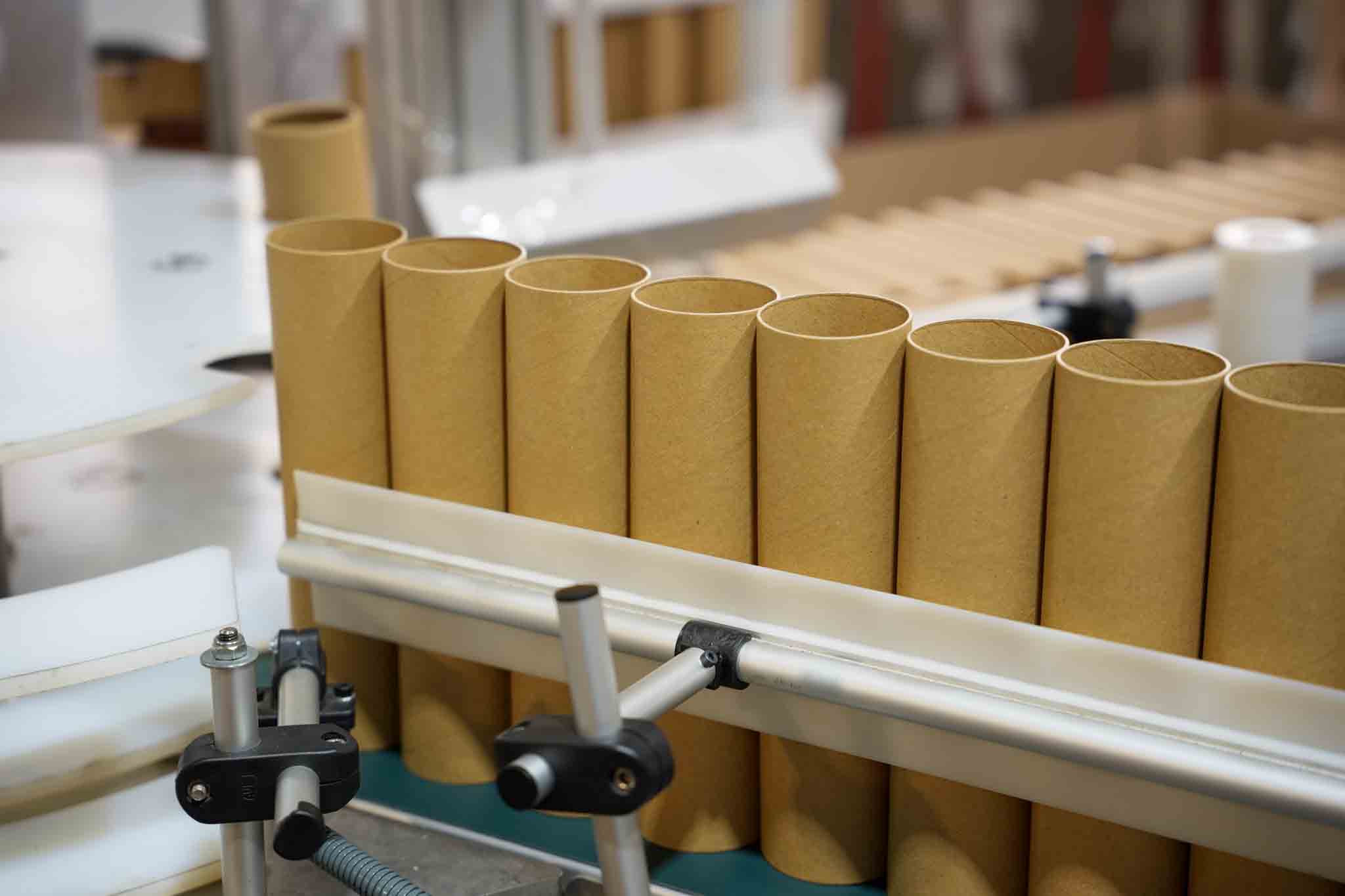
Choosing the packaging material is no longer a purely technical decision. It shapes how the brand is perceived, how much it costs to ship the product and whether the packaging will meet the European regulation arriving in 2026. Before deciding between a cardboard tube, a metal can, glass or plastic, it is worth comparing the four materials with method.
Choosing the packaging material is no longer a purely technical decision. It shapes how the brand is perceived, how much it costs to ship the product and whether the packaging will meet the European regulation arriving in 2026. Before deciding between a cardboard tube, a metal can, glass or plastic, it is worth comparing the four materials with method. That is what we do in this article.
Sustainability and recyclability
This is where the differences become sharpest. Cardboard is a renewable-origin material, recyclable in the paper stream and, when mono-material, fits the new recyclability requirements without friction. Glass also recycles well, but its weight multiplies the transport footprint. Metal is recyclable, though its production is energy-intensive. Plastic is the worst-positioned material for the regulatory future: composite packs that are hard to separate are under scrutiny.
For a brand that wants to communicate environmental commitment without greenwashing, the cardboard tube starts with a real advantage, not just an aesthetic one.
Logistics cost and protection
Weight matters, a lot, when you pay to ship. A cardboard tube weighs a fraction of glass or metal, which cuts shipping cost and associated emissions. Against the idea that cardboard is fragile, the rigid multilayer tube offers notable compression resistance and impact absorption, and protects light-sensitive products particularly well, such as oils, spirits or cosmetics.
Plastic is light and cheap, but it conveys a low perceived value that clashes with premium positioning.
Brand experience and perceived value
This is where the cardboard tube plays its strongest card. Its surface takes high-quality printing, matte tactile finishes, embossing and 360-degree customisation, turning the packaging itself into a brand medium. Can and glass offer prestige, but limit graphic options and raise production costs. Plastic, with few exceptions, subtracts perceived value.
In categories where the first impression is won on the shelf or at unboxing, the packaging material is part of the message.
So, when to choose each?
Glass still makes sense when direct contact with liquids requires it. Metal fits formats that need total tightness. Plastic competes on price alone. The cardboard tube is the most balanced option when you want to combine real sustainability, contained logistics cost, sufficient protection and a careful brand experience, which is exactly what the premium segment demands.
Conclusion
There is no perfect material for everything, but there is one that brings together the best combination of advantages for today's premium packaging: the cardboard tube. It reduces the footprint, lowers transport cost, protects the product and elevates brand perception.
At ABZAC Generation we design and manufacture bespoke cylindrical cardboard tubes and canisters, made for brands that want sustainable packaging without giving up a premium finish. If you are evaluating a material change or developing a new packaging line, write to us at abzac-generation.es@abzac.com
