
2 juin 2026
5 premium packaging trends transforming the market in 2025 and 2026
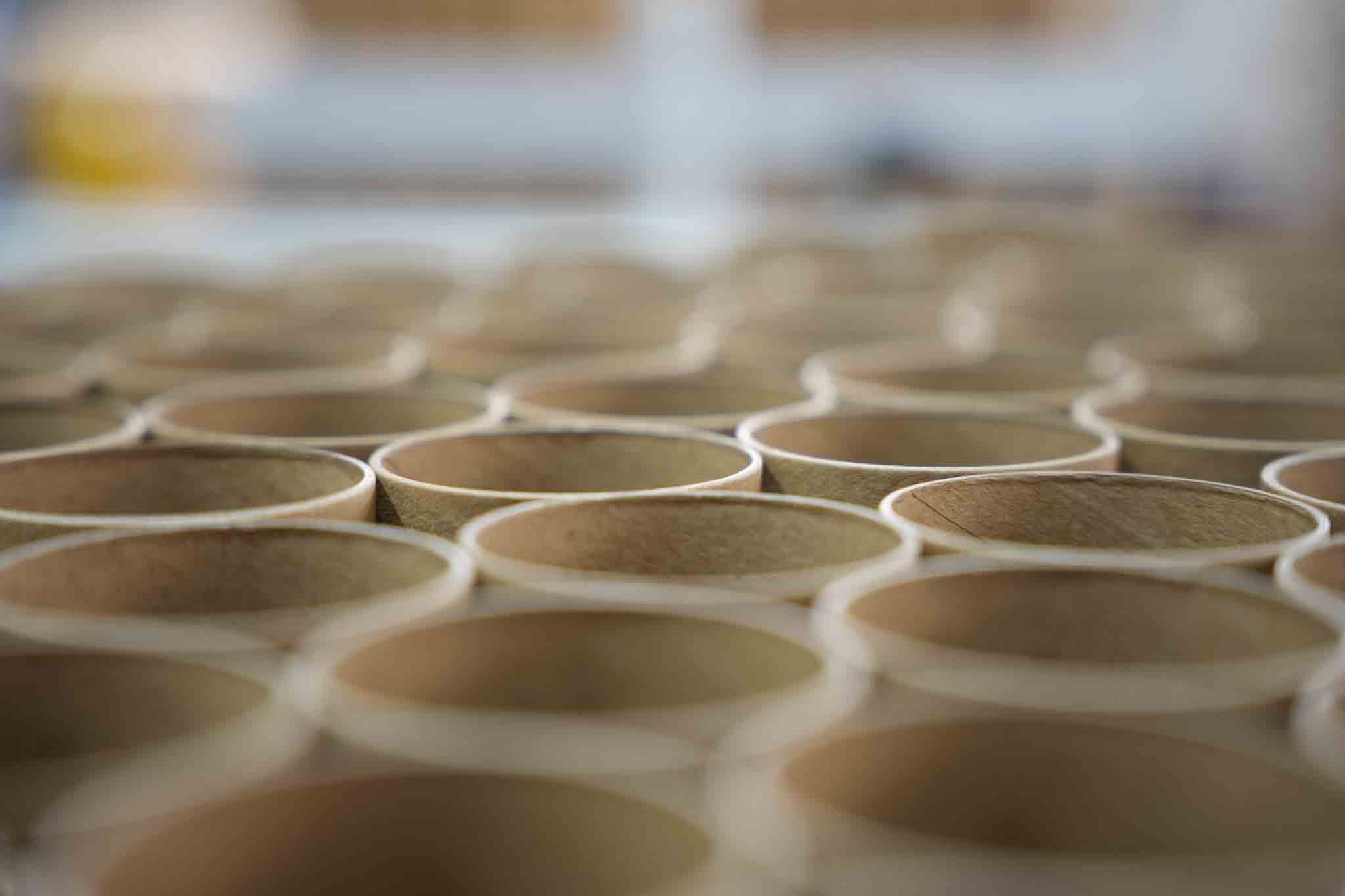
Premium packaging is undergoing a profound transformation. Companies that choose their packaging with strategic criteria — sustainability, differentiation, brand experience — are gaining a clear advantage over those that still treat packaging as just another cost. Here are the five trends redefining the sector that every business should know about.
Packaging is no longer a secondary decision. For companies working with high-end products, the package is a strategic asset: it communicates positioning, reinforces brand identity and directly shapes how the end customer perceives the product. In an increasingly competitive market, premium packaging has become one of the most effective levers for differentiation.
These are the five trends setting the direction for the sector in 2025 and 2026.
1. Sustainability is no longer optional — and cardboard is leading the change
European regulatory pressure is real and is accelerating the sector's transformation. The new European Packaging and Packaging Waste Regulation (PPWR) requires all packaging to be recyclable by 2030. Combined with growing end-consumer demands on the brands they choose, this is forcing companies to rethink their packaging solutions from the ground up.
In this context, cardboard is emerging as the winning material. It is recyclable, biodegradable, compatible with sustainability certifications such as FSC, and allows for high-quality finishes without compromising environmental responsibility. For brands looking to align their packaging with their corporate values and with European market requirements, the premium cardboard tube is today one of the most robust answers available.
2. Fiber-first design: thinking packaging from the material up
One of the most significant shifts in packaging today is the so-called "fiber-first" approach: designing the package from the material outwards, not the other way around. Instead of defining the shape first and then finding ways to make it sustainable, the most forward-thinking companies start with cardboard fibre as their foundation and build from there.
This approach brings not only environmental benefits — it simplifies structures, eliminates hard-to-recycle materials and reduces long-term costs — but also opens up an interesting creative territory: the natural textures of kraft cardboard, the possibilities of 360° printing and matte finishes become design elements with their own distinctive identity.
3. Premium minimalism: fewer elements, greater impact
The era of overloaded packaging is over. In 2025 and 2026, the dominant trend in premium packaging is sophisticated minimalism: clean designs, natural colour palettes — kraft, beige, olive green, black —, clear typography and refined finishes that convey quality without unnecessary ornamentation.
This approach is not just aesthetic. A cleaner design means less ink, fewer additional materials and easier recyclability. It is simultaneously a response to market values and an ecodesign decision. For companies in gastronomy, cosmetics or winemaking looking to convey authenticity and quality, premium minimalism is today's most effective visual language.
4. Reusability as a value proposition
Packaging that has a second life carries higher perceived value. This is a reality that the most sophisticated brands are already building into their strategy: designing packaging that the end customer will want to keep, not discard.
The cylindrical cardboard tube has a natural advantage here. Its shape, durability and finish make it a container that gets reused spontaneously — as a decorative pot, a storage jar or a display element. For companies that choose it, this translates into greater brand exposure in the customer's environment and an implicit message of quality and durability that no packaging text can communicate on its own.
5. Packaging as a B2B marketing tool
Unboxing is no longer just a consumer phenomenon. In the B2B environment, the moment a client receives a well-presented product — in packaging that conveys care, quality and brand consistency — has a direct impact on how they perceive the supplier and on long-term loyalty.
Companies that invest in premium packaging are not just improving the presentation of their product: they are sending a message about how they run their business, the level of attention they apply to every detail and what kind of partner they want to be for their clients. In markets where the product itself may be comparable, packaging is frequently the factor that tips the decision.
The bottom line: premium packaging is an investment, not a cost
The trends point clearly in one direction: packaging will continue to grow in strategic importance in business decisions. Companies that understand this first and act accordingly will be better positioned than those that still treat it as a secondary budget line.
At Abzac Generation, we develop premium cylindrical cardboard packaging for companies that want their packaging to match the quality of their product. If you are considering renewing or developing your packaging range, we can help you find the right solution.
